

I lived in a 400-square-foot studio for three years. My “dining room” was a folding table that doubled as my desk, my craft station, and occasionally my ironing board. So when I say I know how to make a shoebox feel like a home, I mean it. Small spaces don’t have to feel cramped or sad. With a few smart moves, your tiny apartment can look bigger, breathe easier, and actually impress people who come over.
Ready? Here are 15 ideas that worked for me and plenty of people I’ve nagged into trying them.
Let There Be Light (and a Few Good Mirrors)
Light does more heavy lifting in a small space than almost anything else. Dark, cluttered corners shrink a room. Bright, open ones stretch it.
1. Hang Mirrors Where They Count
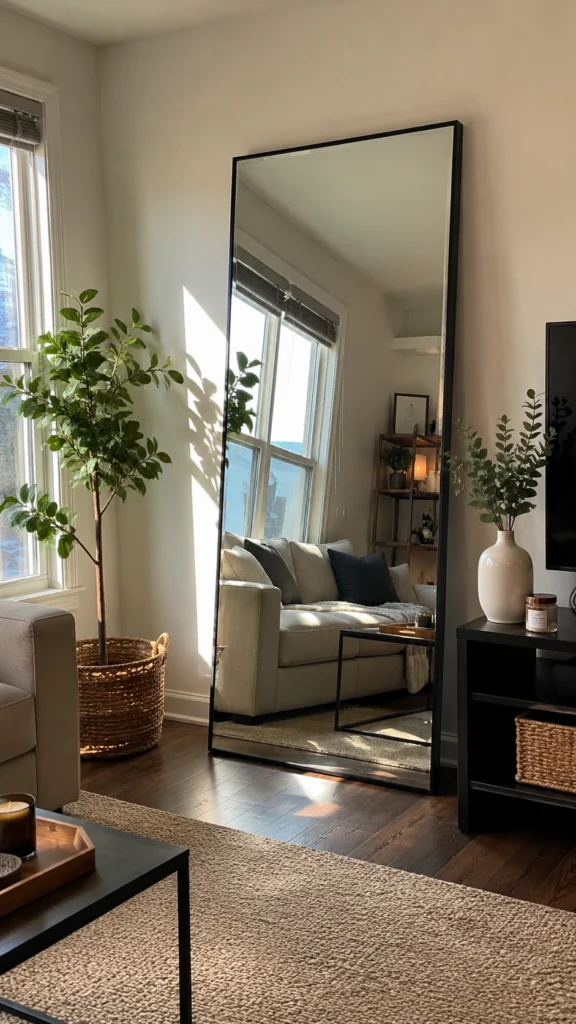
A large mirror across from a window is the oldest trick in the book, and it works by bouncing daylight deeper into the room. I put a full-length mirror near my only window, and the space instantly felt twice as wide. Want an even bigger effect? Lean a tall mirror against the wall instead of hanging it. It reads as casual and tall at the same time.
2. Stick to a Light Color Palette
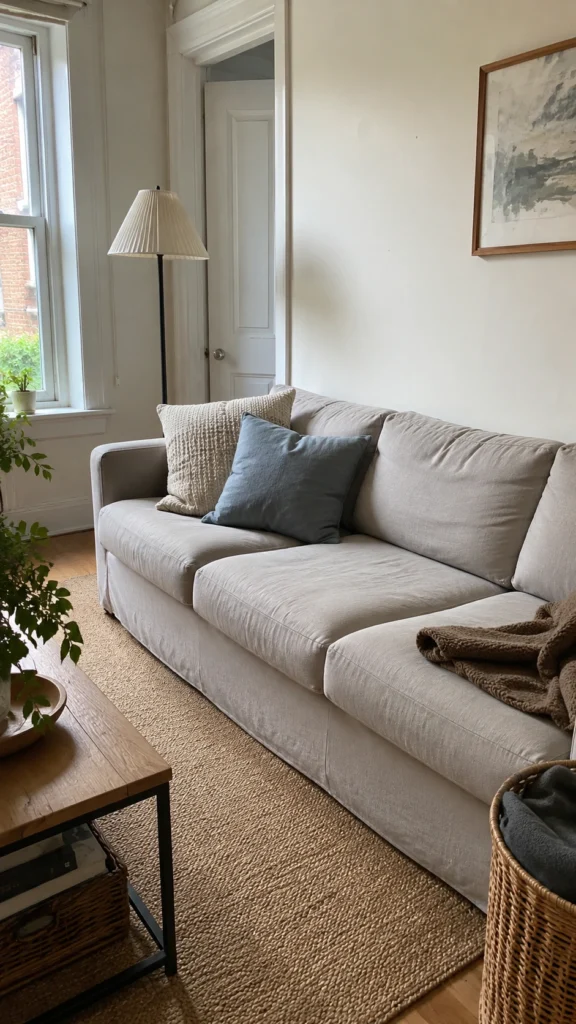
Whites, soft grays, warm beiges, and pale blues all push walls back visually. I’m not saying paint everything the color of plain oatmeal. You can still have personality. Just keep your base light and consistent, then add color through pillows, art, or one bold chair you can swap out later.
3. Layer Your Lighting
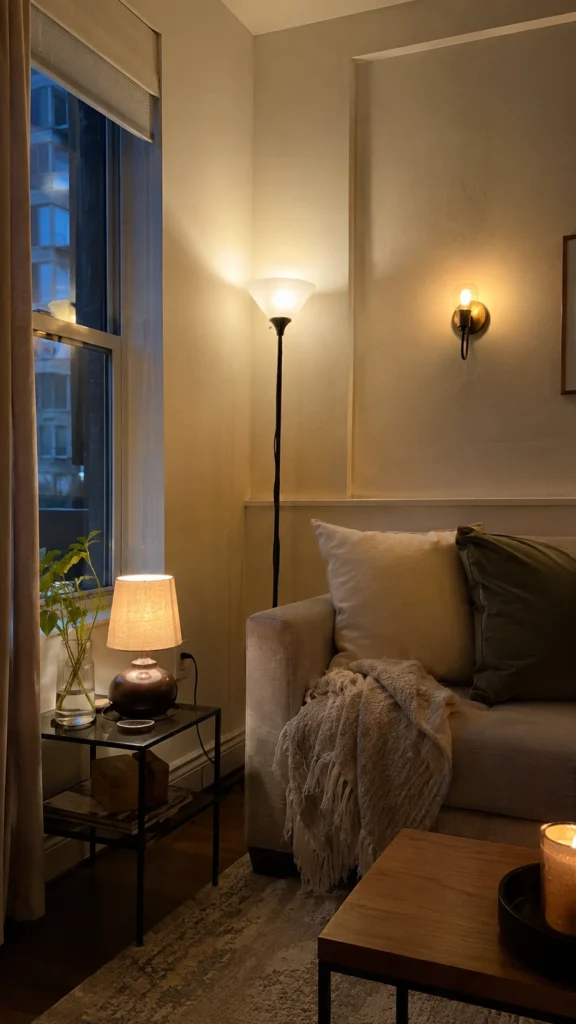
One sad ceiling bulb makes any room feel like a waiting area at the DMV. Instead, use three light sources at different heights: a floor lamp, a table lamp, and maybe some string lights or a wall sconce. Layered light creates depth, and depth tricks the eye into seeing more space. IMO, this is the most underrated fix on the whole list.
4. Hang Curtains High and Wide
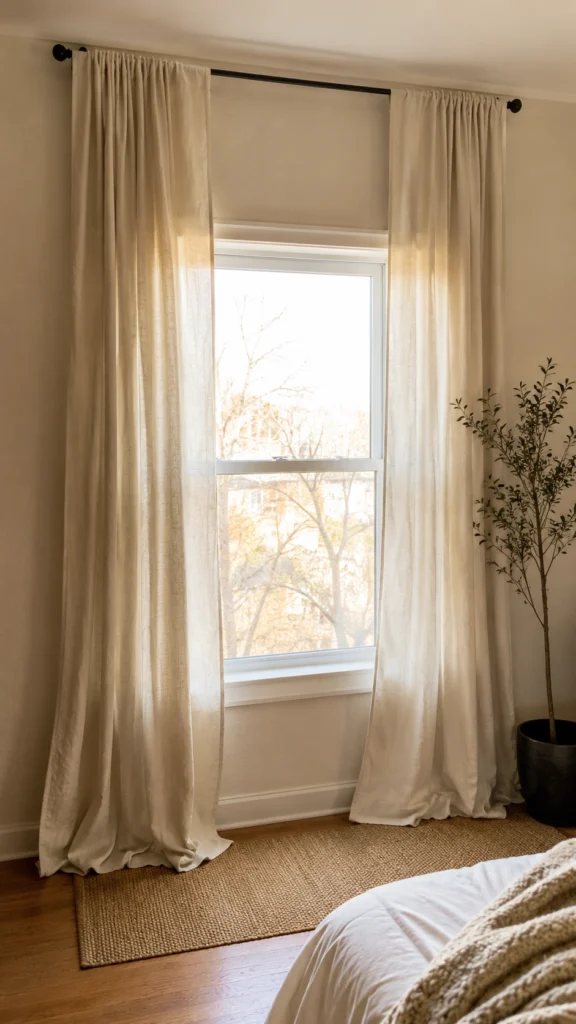
Here’s a quick one. Mount your curtain rod close to the ceiling and let the panels extend past the window frame on both sides. This makes your windows look taller and your ceilings higher. It costs you nothing extra and takes ten minutes. Why does almost nobody do it?
Furniture That Pulls Double Duty
In a small apartment, every piece of furniture should earn its rent. If something just sits there looking pretty, it had better fold, store, or transform.
5. Buy Multi-Functional Pieces
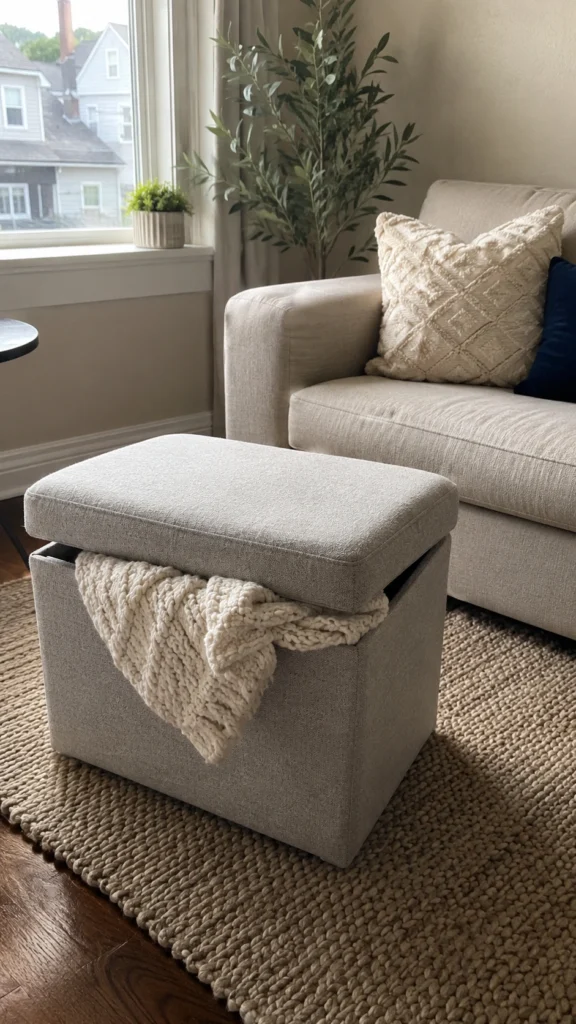
A storage ottoman holds blankets and gives you a footrest and extra seating. A sofa bed handles guests without a dedicated guest room. A bed frame with built-in drawers swallows a whole wardrobe’s worth of stuff. I had a coffee table that lifted up to desk height, and that single piece replaced two others.
Look for furniture that does at least two jobs:
- Storage beds with drawers underneath
- Nesting tables you can spread out or tuck away
- Sofa beds or daybeds for guests
- Benches with hidden storage by the entryway
6. Use a Fold-Down or Drop-Leaf Table
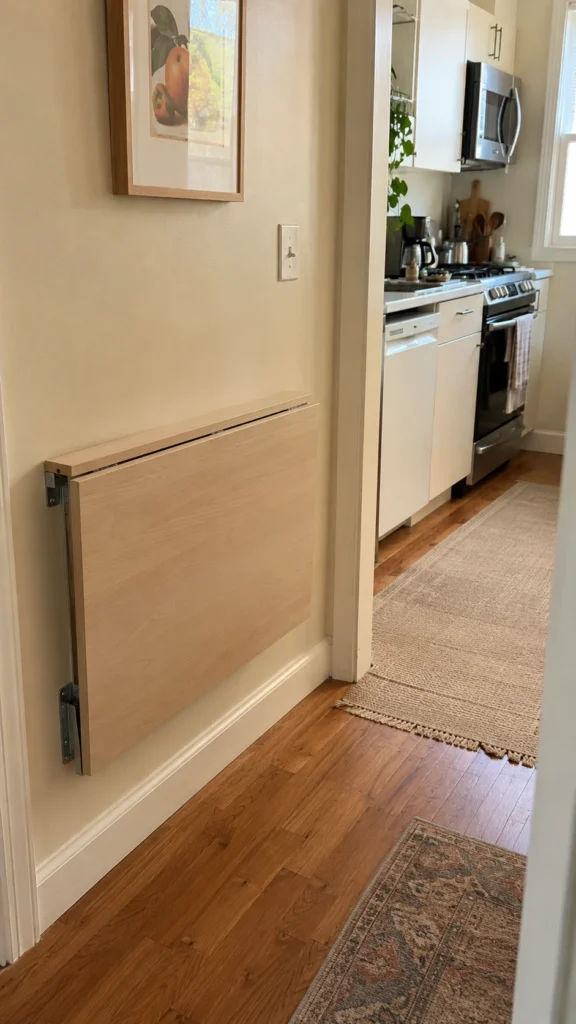
A wall-mounted drop-leaf table folds flat when you’re not eating, then opens up for dinner. Mine seated two normally and four when I wanted to pretend I was a person who hosts dinner parties. When folded, it freed up a chunk of floor I genuinely needed. For studios, this is a game-saver.
7. Float a Desk on the Wall
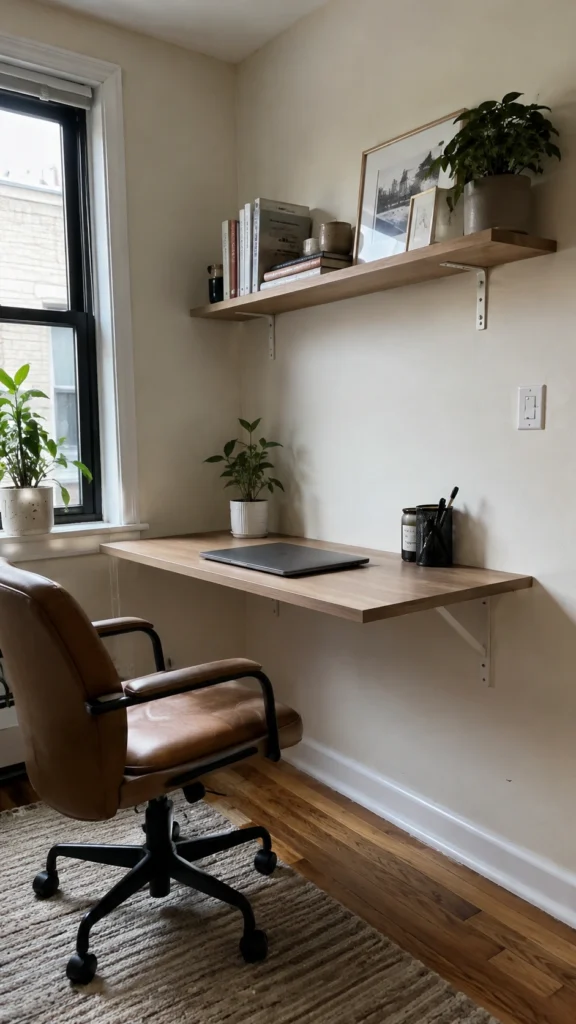
A wall-mounted floating desk keeps your floor clear, which immediately makes the room feel more open. No bulky legs eating up space. You get a workspace without sacrificing visual breathing room. Add a slim shelf above it for supplies, and you’ve built a full office in about two square feet.
8. Pick Furniture With Visible Legs
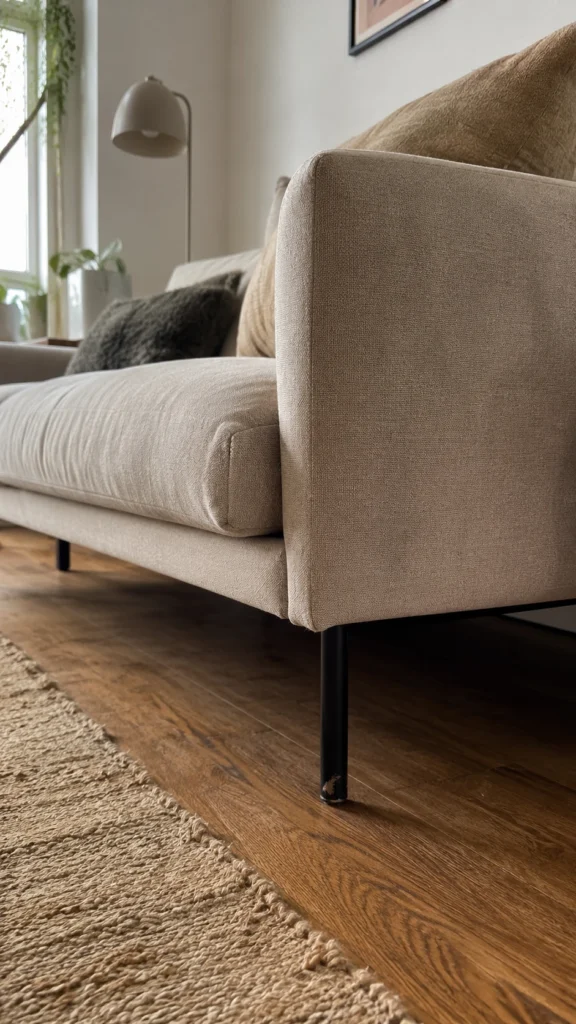
Chunky furniture that sits flat on the floor blocks your line of sight and feels heavy. Furniture raised on legs lets you see the floor underneath, and that visible floor reads as more space. Sofas, chairs, and consoles on thin legs feel lighter. It’s a subtle thing, but stand in two rooms with identical furniture except for the legs and you’ll spot the difference instantly.
Go Up, Not Out
When you can’t grow sideways, grow upward. Your walls are prime real estate, and most people waste them.
9. Build Vertical Storage
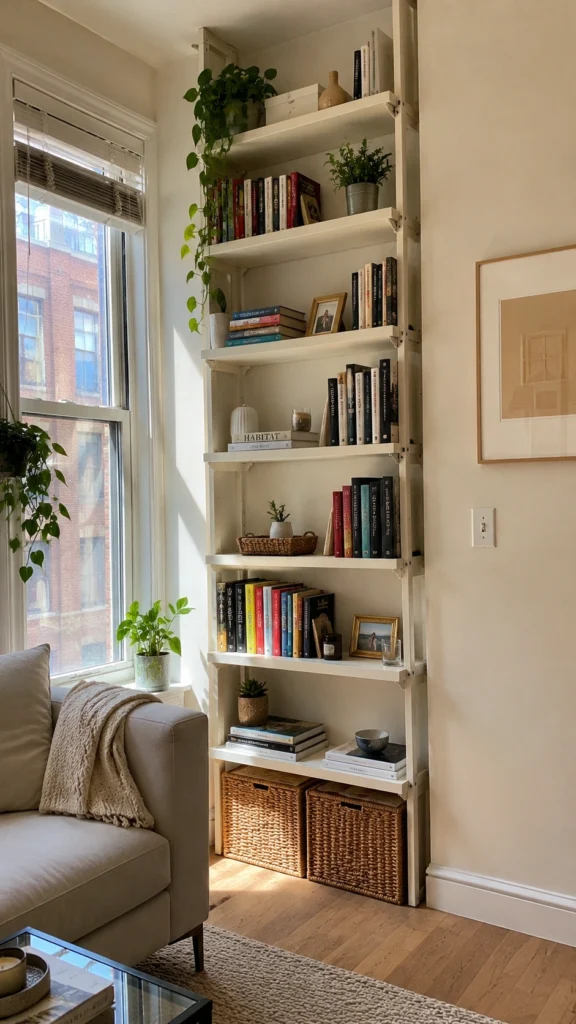
Tall, narrow shelving uses the height you already have instead of the floor you don’t. Floor-to-ceiling bookcases draw the eye up and make ceilings feel higher. I lined one wall with thin shelves and suddenly had room for books, plants, and the random stuff that used to live in piles. Vertical storage is your best friend in a tiny apartment.
10. Claim the Space Under Your Bed
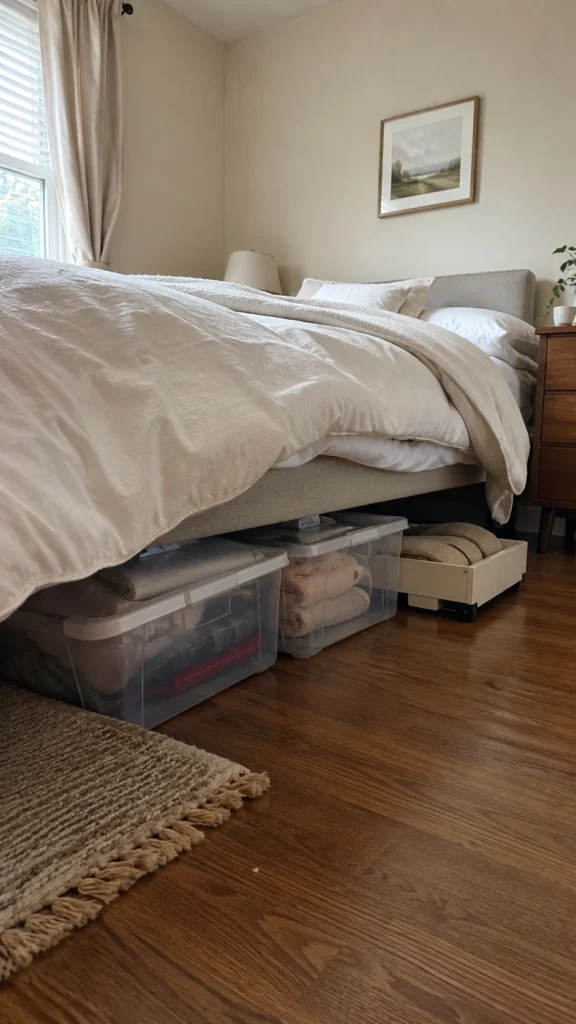
The space under your bed is basically free storage you’re probably ignoring. Flat storage bins, rolling drawers, or vacuum bags can hold off-season clothes, extra bedding, and shoes. I kept my entire winter wardrobe under there during summer. Out of sight, out of the way, and your closet stops overflowing.
11. Hide Storage in Plain Sight
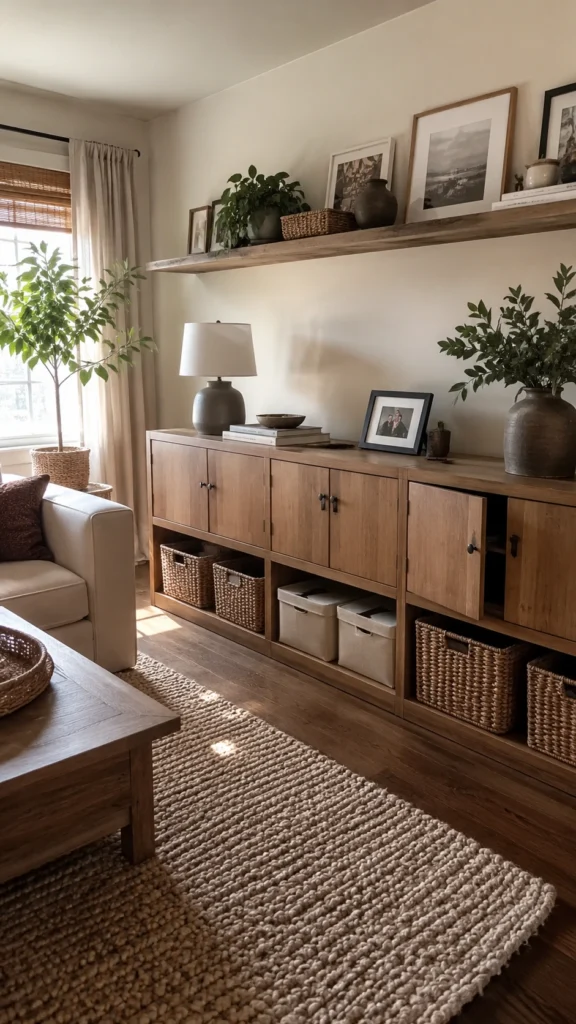
The goal is to own your stuff without seeing it all at once. Use baskets, closed cabinets, and lidded boxes to keep clutter out of view. Open shelving looks great in photos but turns into visual chaos fast in real life. A mix of open display and closed storage keeps things tidy and intentional. Hidden storage equals visual calm, and calm feels spacious.
12. Declutter Like You Mean It
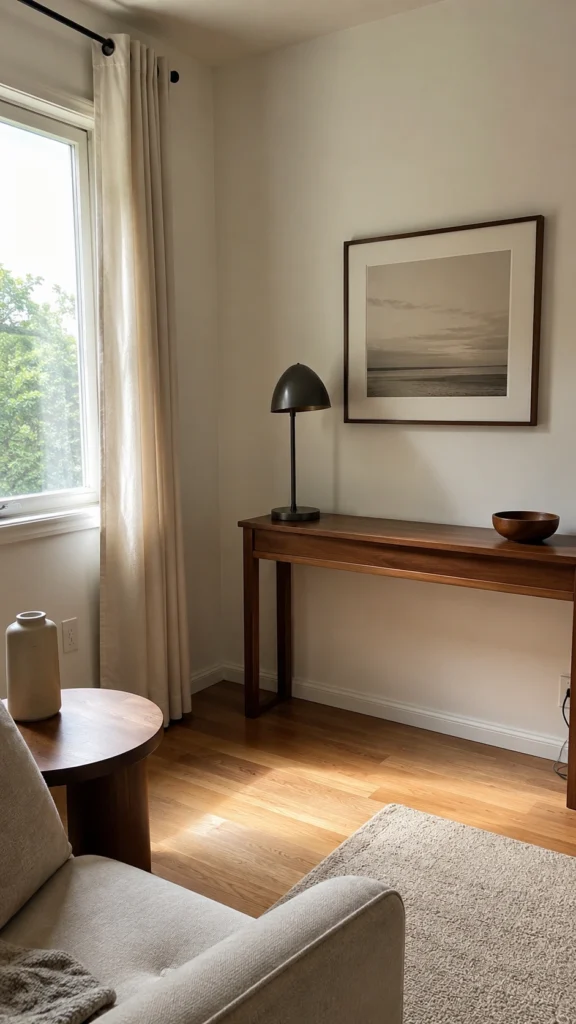
I’ll be honest, this is the least fun tip and the most effective. Less stuff makes any room feel bigger, full stop. You can buy every clever organizer on the market, but if you own too much, it’ll still feel packed. Go through your things once a season and be ruthless. If you haven’t used it in a year, it’s probably squatting rent-free in your space.
Little Tricks That Punch Above Their Weight
These last few are the finishing touches. Small efforts, surprisingly big payoff.
13. Choose Glass and Acrylic Furniture
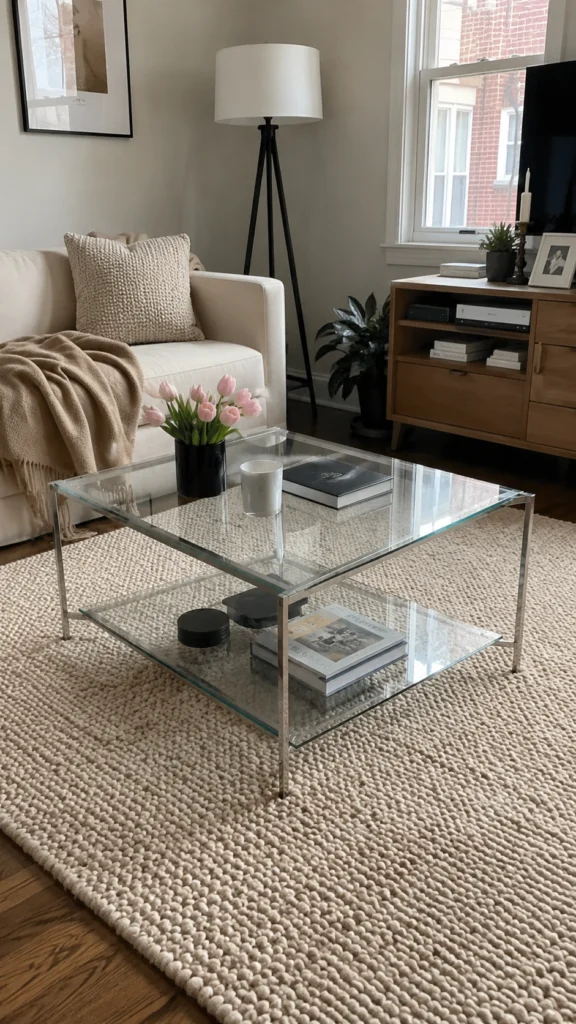
A glass-top table or clear acrylic chair takes up physical space without taking up visual space. Your eye passes right through it, so the room feels less crowded. I swapped a wooden coffee table for a glass one, and my living room felt noticeably more open overnight. The catch? You’ll see every fingerprint and crumb. Worth it though 🙂
14. Use Rugs to Define Zones
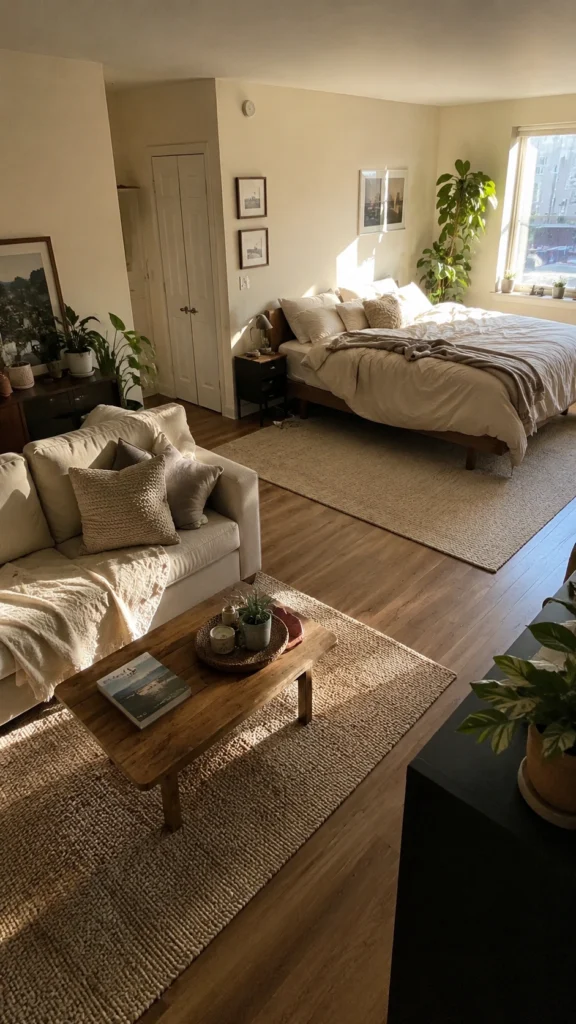
In a studio, one open room has to be the bedroom, living room, and office all at once. A well-placed rug visually separates each zone without building walls. Put one under your seating area and another by your bed, and suddenly the space feels organized instead of random. Pick rugs that are big enough, because a tiny rug floating in the middle just looks like a sad postage stamp.
15. Add Greenery (the Easy Kind)
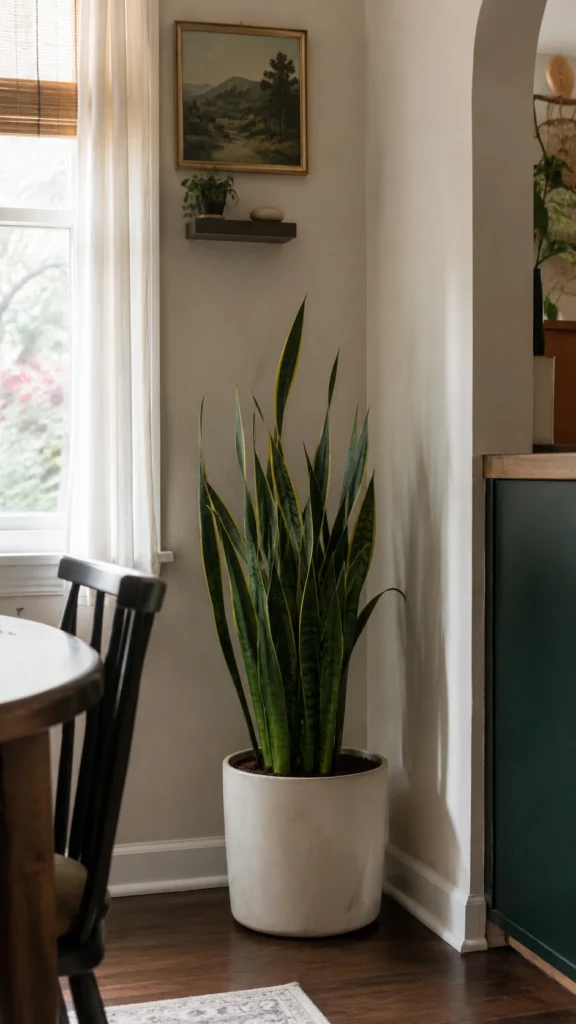
Plants make a space feel alive and fresh, and fresh reads as bigger somehow. Vertical plants, hanging planters, or a single tall floor plant add height and life without crowding surfaces. FYI, if you kill every plant you touch, go for a snake plant or pothos. They survive neglect like champions. A little green goes a long way toward making your apartment feel like a home instead of a holding cell.
Final Thoughts
So there you have it. Fifteen ways to make a tiny apartment feel stylish and a whole lot bigger. The pattern is pretty clear once you see it: maximize light, make furniture work twice as hard, build up instead of out, and cut the clutter. None of this requires a renovation or a rich uncle. Most of it you can do this weekend with stuff you already own.
My honest advice? Don’t try all fifteen at once. Pick two or three that fit your space and budget, live with them for a couple of weeks, then add more. Small apartments reward small, smart changes more than big, dramatic ones.
Now go move that mirror across from the window. Your future self, sipping coffee in a room that suddenly feels twice as big, will thank you.
FREQUENTLY ASKED QUESTIONS
1. What’s the single cheapest way to make my small apartment feel bigger?
Move a mirror across from your window. It costs you nothing if you already own one, takes about five minutes, and bounces daylight deeper into the room. If you want to spend a little, a tall leaning mirror runs $40 to $80 and doubles as a full-length dresser mirror. Light and reflection do more for the illusion of space than almost any furniture swap.
2. Should I avoid dark colors completely in a tiny space?
No, you just need to use them with intention. Painting every wall charcoal will shrink the room, but one dark accent wall can actually add depth and make a space feel more layered. Keep your main surfaces light, then bring in darker tones through a single wall, throw pillows, or art. The trick is contrast, not a total ban.
3. How do I separate my sleeping and living areas in a studio?
You don’t need real walls. Use a rug to anchor each zone, position a bookshelf or open shelving unit as a divider, or hang a curtain on a ceiling track for full privacy. A daybed also works well since it reads as a sofa by day and a bed by night. Pick whichever fits your budget and how much separation you actually want.
4. Is multi-functional furniture worth the extra cost?
In a small space, yes. A storage bed or a sofa bed often costs more upfront, but it replaces two pieces of furniture and the floor space they’d eat up. I’d rather spend $200 extra on a lift-top coffee table than cram a separate desk into a room that has no room for one. Just buy quality, because cheap convertible furniture tends to break at the hinges fast.



Pingback: 26 Small Apartment Bathroom Decor Ideas You'll Love - Caliora Living